Software 4.0 — A New Neurosymbolic AI

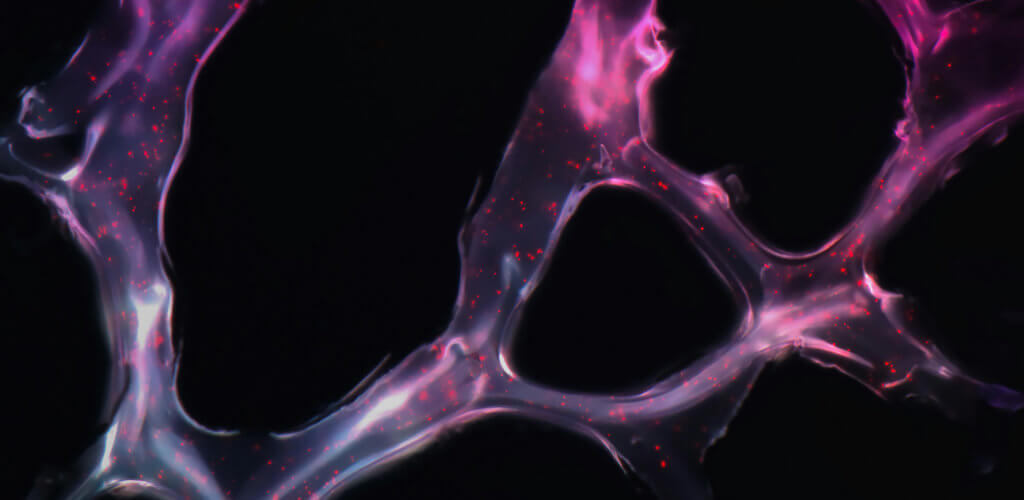
Photo titled "MicroRNA Delivery" by National Cancer Institute on Unsplash.

We’ve reached an uncanny milestone in tech. We are building intimate conversational bonds with AI chatbots, yet the software infrastructure surrounding our daily lives remains as rigid, silent, and fragile as ever.

LLMs tease us with their facilities to write code, but forcing this new form of intelligence to work with programming paradigms that pre-date the World Wide Web is driving a silent crisis of structural decay in large-scale software systems.

This post introduces the Software 4.0 era. Informed by biological processes, it turns software into a living, self-verifying organism that provides the perfect complement to LLMs. It transforms how we build and co-evolve the digital fabric of our world.

Read more


Something Big Could Be Happening: A response to Matt Shumer’s post

Abstract image that looks vaguely like a planet rotating at speed.

A 2022 article in Noema magazine describes apophenia as "faulty pattern recognition. People see faces in clouds and alien ruins on Mars. ... Humans are pattern-recognizing creatures, and so apophenia is built in."

A Google engineer had claimed an LLM to be conscious, sentient, and indeed a person, and the article explores reasons for why he had reached such a conclusion. It's well worth a read, particularly its observation that we apply concepts that have wholly anthropomorphic heritage and meaning to LLM technology. Pehaps we need new vocabulary.

The technology's stochastic prowess is much advanced 42 months later, and perhaps that's all the more reason we continue to see things that aren't there. Matt Shumer's "Something Big Is Happening" is the latest example.

Read more

Transition9 — the natural integration of human and next-level artificial intelligence

Transition9 logo

I'm never quite sure if the phrase is that we're blessed or we're cursed to live in interesting times. Either way, we're definitely here and it's definitely interesting.

Both the internet and the web were designed purposefully to be decentralized. No-one could take control let alone turn them off. Since then we've witnessed many power grabs — from privately owned social networks to nation states 'protecting' their citizens — interspersed with a series of community action and associated projects to re-decentralize things.

Decentralizing done well is a means to some very welcome ends, but it has proven to be a harder design challenge than centralizing. And just as you think you're making progress, along comes the next centralizing innovation.

Read more

Addresso — your web3 address book, and a bit more besides

The Addresso logo and a rocket icon.

We’ve needed purpose-designed address books for every technological wave, from the postage stamp to cell phone numbers. Web3 is no exception.

Yet any old address book simply won't cut it when it comes to web3. As a valuable part of the decentralized web, there are certain things you just have to get right.

Addresso is the first purpose-built web3 address book that isn't welded to a specific wallet application. We've designed it so we can say with just a hint of pride:

  • Addresso is yours
  • You have sole control
  • It runs solely on your devices
  • The data lives only on your devices
  • It’s always encrypted with your passphrase
  • You sign additions and changes for complete security.
Read more

Digital identity is not human identity, and that matters

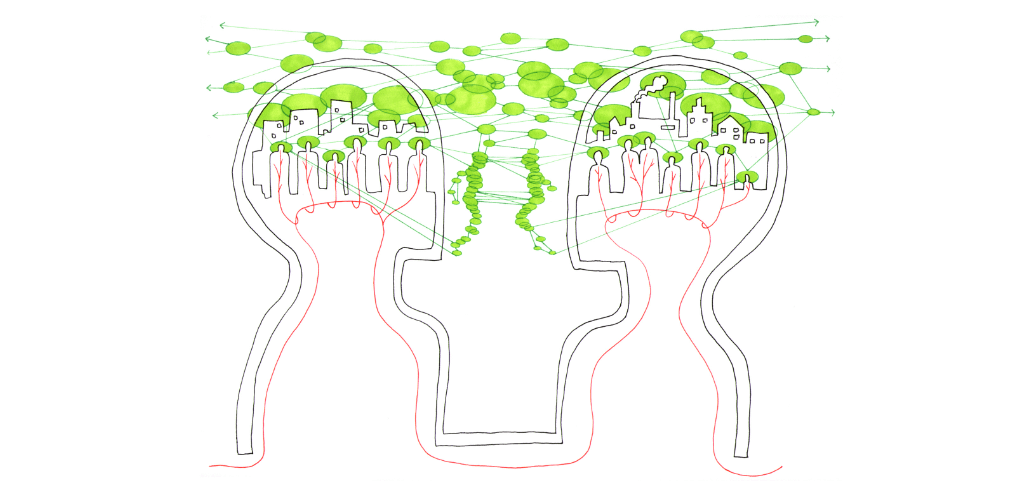
A drawing outlining two people and the information flows without.

If your work involves architecting or designing or developing or policymaking for the interweave of people and digital technologies, or researching the consequences, may I invite you to check out my new essay: Human identity — the number one challenge in computer science.

Wonderfully, I've been helped by thirteen reviewers offering more than two hundred questions and suggestions over six months. The work has been funded 🙏🏼 by the AKASHA Foundation, and is co-published with the brilliant Kernel community. Here's a very quick outline ...

Read more